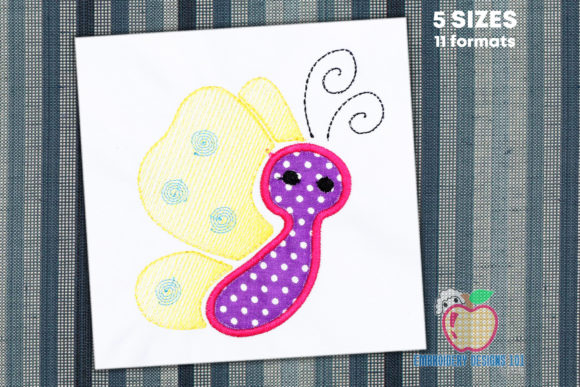
Side Butterfly Applique Embroidery Design Review
When preparing for a craft fair booth, every embroidery design in your collection must earn its place. It needs to look good, stitch well, and ultimately, sell. Today, I’m reviewing the Side Butterfly Applique design from the perspective of turning it into real, tangible products for a weekend market. This is about moving from a digital embroidery file to a profitable handmade product on a display table.
First Impression: A Decorative, Softly Bold Accent
The Side Butterfly Applique name suggests a lateral orientation and an appliqué technique, which immediately gives it a distinct character. It feels neither overly cute nor starkly modern. Instead, it leans into a decorative, almost rustic elegance. This is a design that whispers rather than shouts. For a craft fair customer browsing a table full of items, it offers a moment of quiet beauty. It doesn’t scream “bugs”; it suggests a gentle, natural motif. This subtlety is its strength—it can appeal across styles, from farmhouse kitchens to minimalist boutiques, without feeling themed or niche.
Product Placement: Where This Butterfly Will Land Best
Your booth layout tells a story. Where does the Side Butterfly Applique fit into that narrative? Based on its likely aesthetic, I see several standout applications.
Tote Bags and Market Bags
This is a prime candidate. Placed along the side of a canvas tote bag, as the name implies, it creates an instant focal point without overwhelming the bag’s utility. It feels premium, elevating a simple bag into a handmade gift. The appliqué method often uses fabric pieces, which adds a lovely tactile texture customers appreciate in person.
Aprons and Kitchen Towels
For apron embroidery or tea towel embroidery, this design offers a sophisticated alternative to typical whimsical kitchen motifs. Stitched on a linen apron bib or the corner of a textured towel, it conveys a sense of curated, handmade quality. It’s decorative without being fussy, perfect for the customer looking for something a bit more refined.
Pillow Covers and Fabric Pouches
As a larger focal design on a pillow cover, or a smaller accent on a zippered pouch, the butterfly’s form can be striking. The side orientation might lend itself beautifully to a pillow’s edge or a pouch’s flap. These are higher-value items, and the design’s elegance supports that price point.
Embroidered Patches and Caps
Turning this into an embroidered patch is a smart move. Patches are versatile and sell well. However, careful-use notes are critical here. Appliqué designs can have dense stitch areas securing the fabric pieces. On a curved cap surface or as a standalone patch, you must test stitch density and stabilizer use to ensure it sits flat and retains clarity, especially if reduced in size.
The Practical Production Checklist
Turning a digital embroidery file into a batch of craft fair products requires a practical mindset. Here’s my review of the production realities for the Side Butterfly Applique.
Batch Production and Repeatability
This design seems inherently repeatable. The separated color steps (as mentioned in the description) streamline production, allowing for efficient thread changes. For batch-producing a series of tea towels or tote bags, this organization is a boon. It suggests you can set up your machine and produce multiples with consistent results, which is the backbone of a profitable small shop product.
Photography and Online Sales
For your Etsy listings or printable mockups, this design should photograph beautifully. The appliqué layers create subtle shadows and depth that look premium in images. On dark fabric, thread and appliqué fabric contrast is paramount—a high-contrast test on scrap fabric is essential to ensure it pops for online customers.
Scale and Clarity Considerations
The “Side Butterfly” orientation implies a specific layout. You must confirm the included hoop size compatibility before production. Can it be stitched small on a pouch, or enlarged for a pillow? Tiny details within an appliqué can lose definition at very small sizes. Always create at least one real mockup on your intended product fabric before committing to a full batch. Test it on textured towels and thicker bag fabric to see how the stitch density interacts with the material.
Commercial Readiness
The description notes multiple embroidery file formats for multiple machines, which is excellent for commercial embroidery use. However, the crucial final step is to confirm commercial licensing before selling finished products. Never assume. This protects your business and your brand consistency across all your handmade products.
Why This Design Strengthens Your Booth
Ultimately, a design is chosen for its selling power. The Side Butterfly Applique contributes to several key booth dynamics.
It boosts customer attention through its subtle elegance. Amid louder, brighter designs, it can attract customers seeking sophistication. It increases product value perception; an appliqué detail feels more artisan than a simple fill stitch. It enhances display strength by offering a cohesive visual story if used across a product line—a butterfly on a towel, bag, and pouch creates a thematic link without being matchy-matchy.
For the buyer, it engages through texture and detail. In a handmade market, customers touch products. The layered fabric of an appliqué invites that interaction, making the item feel special and worth the purchase.
Final Designer Notes Before the Fair
My professional advice is to treat this digital embroidery file as a promising design asset, but one that requires validation. Test it on scrap fabric first. Check thread contrast for your intended product colors. Review spacing and layout to ensure it fits your chosen hoop size and product dimensions. Inspect stitch density on your final fabric—will it be too stiff for a soft pillow? Use the right stabilizer for the job.
Compare how it looks on light versus dark fabrics to offer variety at your booth. And finally, make that one real sample. Seeing the Side Butterfly Applique as a finished product on a tote bag or apron is the only way to truly judge its craft fair potential. It has the mood and the method to become a quiet star of your handmade product line, turning digital files into tangible sales.