Pharaoh Ant Redwork Embroidery for Real Projects
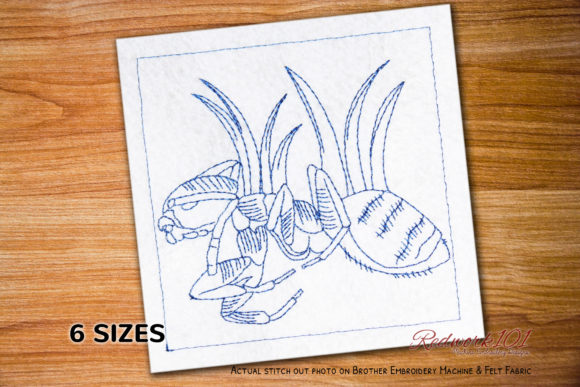
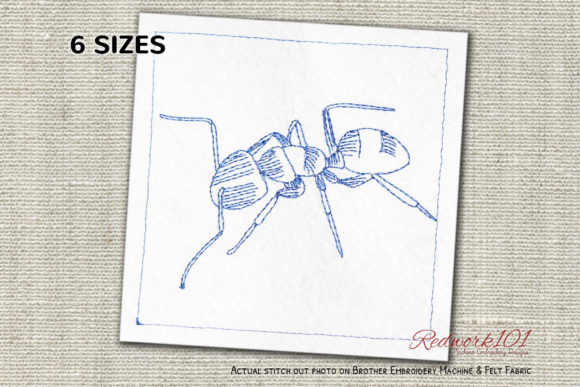
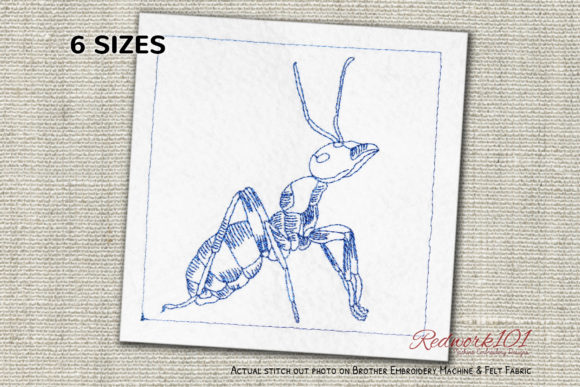
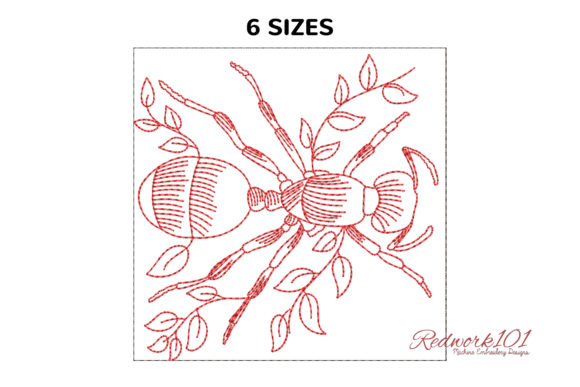
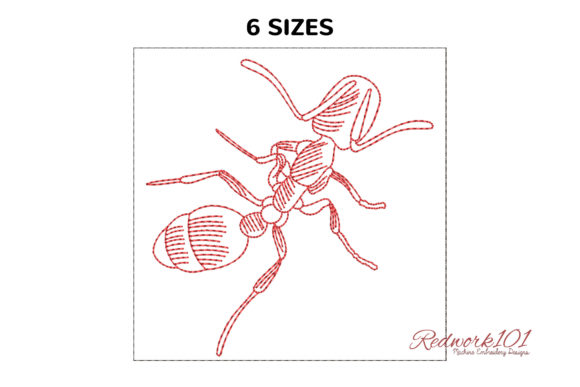
When browsing embroidery files for a new project, an insect design often needs a certain character to stand out. Pharaoh Ant Redwork immediately caught my eye, not for its creepiness, but for its surprisingly graphic, stylized appeal. This isn't a hyper-realistic bug; it's a decorative, almost illustrative take on an ant, rendered in that classic redwork style that suggests hand-drawn charm.
First Impressions: Stitching Personality & Project Fit
The design's mood is clean and bold. The linework is decisive, creating a strong silhouette that would translate beautifully into stitch. It feels more like a modern logo or a vintage illustration than a scientific drawing. This personality makes it versatile beyond just a "bugs" category. I immediately thought of it on a minimalist tote bag, a quirky kitchen towel for a gardener, or as a repeated motif on a baby blanket for a nature-themed nursery. It has that decorative appeal that works for both playful and sophisticated handmade products.
Performance in Real Embroidery Applications
Considering real-world use, the Pharaoh Ant Redwork design seems well-suited for a variety of surfaces. For custom apparel like sweatshirts or aprons, the bold lines should hold up well, even on slightly textured fabrics, provided you use the correct stabilizer. On curved surfaces like caps, the design's relatively compact and balanced shape would likely hoop nicely without problematic distortion at the edges.
For items needing frequent washing, such as kitchen towels or baby items, the success will hinge on your stitch execution. Redwork, typically using a running stitch or similar, isn't as dense as satin stitch fills, which can be a benefit. Less stitch density means less tension on the fabric and a more flexible finished product that withstands wear. It's crucial to test on a scrap of your project fabric first to check thread tension and potential puckering.
Small Details & Fabric Considerations
The design appears to have some fine details, like the ant's legs and segments. On dark fabric, the classic red thread may lose some contrast and impact. I'd strongly recommend comparing light and dark fabric mockups digitally before stitching. For a project on black denim or a dark cap, consider switching to a bright white or a contrasting color thread to maintain the graphic punch. Always inspect small details like tiny lettering or thin lines after a test stitch to ensure they are clean and not lost in the fabric grain.
Affecting Product Value & Customer Appeal
Using a unique design like Pharaoh Ant Redwork can elevate a simple handmade product. On an Etsy listing for a tote bag or a pillow cover, it adds a point of differentiation. It’s not a generic floral motif; it has personality. This can enhance brand consistency for a seller with a nature or science-inspired aesthetic and increase the giftability of items—think "ant lover" or "entomologist" gifts. For product photography, the clean, bold lines will photograph well, creating crisp images that engage potential buyers.
For commercial embroidery or selling finished products at craft fairs, the design’s clarity helps build buyer trust. A well-executed, crisp embroidery shows care and skill. However, its success depends entirely on proper technique: using the right hoop size for the design's dimensions, a stabilizer appropriate for the base fabric (especially stretchy fabrics), and quality thread.
Practical Embroidery Notes for This File
Before running this machine embroidery design for a customer order, my standard process applies. First, I always check the actual product page on Creative Fabrica for the crucial details: available file formats for my machine, the exact hoop size specifications, and the specific licensing terms for selling finished items. These details are not to be assumed.
Then, I would stitch a test on a scrap of the project fabric. For Pharaoh Ant Redwork, I'd pay close attention to the stitch density in any filled areas to ensure it's not too dense for lightweight fabrics like those used for baby blankets. I'd also note the description about the optional box stitch. If the outer box is a different color and not part of the main design itself, you can skip it, which is helpful for integrating the ant seamlessly into your project layout. This allows you to use the ant as a standalone motif or cluster several without a bounding frame.
Final Thoughts on Project Worthiness
Pharaoh Ant Redwork is a niche but charming digital embroidery file. It's not for every project, but for the right one—a nature-themed gift, boutique merchandise for a specific audience, or a unique addition to your embroidery portfolio—it offers strong visual appeal. Its redwork style suggests a handmade, artistic touch that aligns well with the values of crafters and creative entrepreneurs. Its practicality depends on your careful setup and testing, but the design itself has the character to make a finished product stand out. Always confirm the technical details on the Creative Fabrica listing, stitch a test sample, and you'll have a solid foundation for a successful embroidered product.