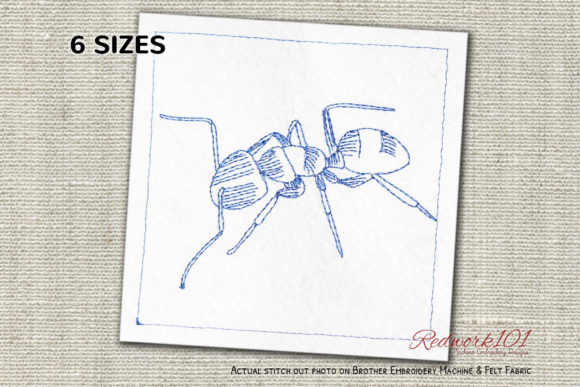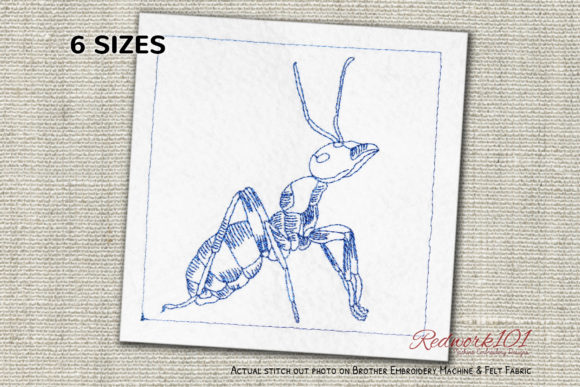
Reviewing the Red Wood Ant Bluework Embroidery Design
As an embroidery designer preparing for a weekend craft fair, my first task is to evaluate new designs like the Red Wood Ant Bluework for their real-world potential. This isn’t about abstract art; it’s about what will attract a customer’s eye from across a busy booth, look beautiful and premium on a finished product, and be practical to produce in batches. Let’s break down where this machine embroidery design stands.
First Impression: A Bold, Natural Statement
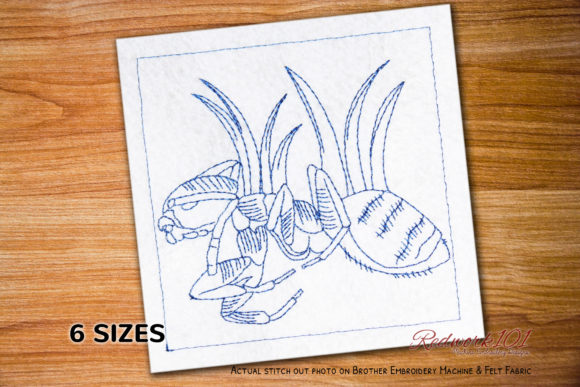
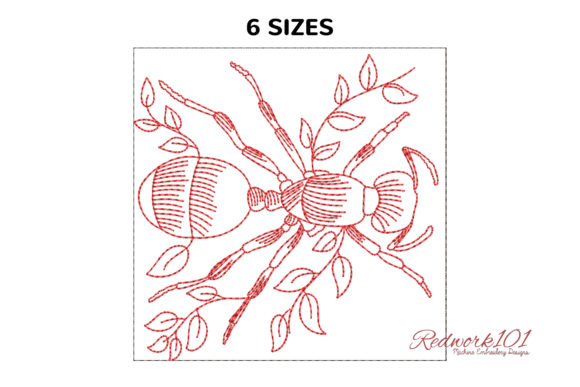
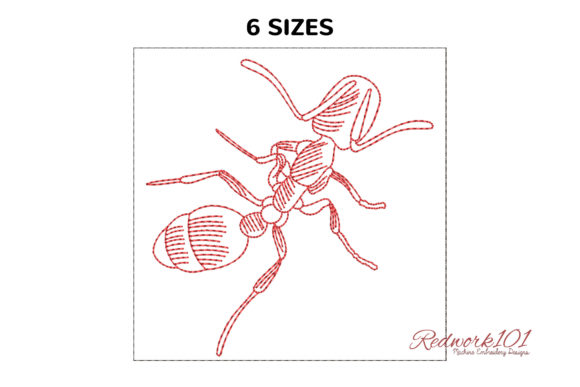
The title Red Wood Ant Bluework immediately sets a tone. This isn’t a cute or whimsical bug; it feels bold, rustic, and grounded in nature. The "bluework" suggests a classic, almost vintage approach, reminiscent of traditional folk art or botanical illustration. This gives it a distinct handmade product appeal that feels authentic and intentional, not mass-produced. For customers drawn to farmhouse, rustic, or natural-themed decor, this design will resonate instantly. It feels decorative and premium, with an element of scientific curiosity.
Product Placement: Where It Will Stand Out
Visualizing my booth display—tote bags, aprons, tea towels, pillow covers, and small pouches—I see several strong opportunities for this embroidery file.
- Tote Bags & Market Bags: This design would excel as a large, focal point on a natural canvas or linen tote. The boldness of the ant commands attention, making a simple bag feel like a unique craft fair product. It elevates the item’s value.
- Aprons & Kitchen Towels: On a heather-gray or cream-colored apron, the Red Wood Ant Bluework becomes a striking feature. For tea towel embroidery, it adds a sophisticated, decorative touch far beyond generic patterns, appealing to customers looking for specialty kitchen textiles.
- Pillow Covers: This is a prime application. The design’s illustrative quality makes it perfect for a statement pillow in a living room or study, enhancing perceived handmade quality.
- Embroidered Patches: A patch version could attract a different audience—perhaps those into hiking, nature, or unique embellishments for jackets and bags. It’s a versatile small shop product.
- Caps: This requires careful consideration. The curved surface of a cap can distort larger designs, and the description notes the optional outer box stitch. A simplified version of the ant, without intricate surrounding elements, might be more successful here.
Practical Production & Selling Points
Turning a digital embroidery file into sellable products requires a practical eye.
Scale and Clarity
This design appears illustrative, likely with fine details. For smaller applications like a fabric pouch or as an accent on a sleeve, I must test it at reduced sizes. Tiny details, like delicate antennae or leg segments, could lose clarity or become overly dense, risking a muddy look. I’d advise creating a real mockup on scrap fabric at the intended final size to check stitch integrity before batch production.
Photography and Online Appeal
For Etsy sellers and online listings, this design photographs well. The bold subject against a neutral fabric creates high contrast, making listings pop. Using printable mockups in your listings can show versatility, but a photograph of a real, stitched sample on a tea towel or tote bag will always convey the true texture and premium feel better, driving buyer engagement.
Batch Production Considerations
The note about the optional box stitch is crucial for production speed. If the outer box is a different color and not integral to the design itself, skipping it simplifies the process, reduces thread changes, and speeds up stitching—a key factor for commercial embroidery at scale. However, I would test both versions; the box might frame the ant beautifully on certain products like pillow covers, adding to its decorative value.
Critical Designer Notes for Success
Before loading this file into the machine for production, here’s my checklist.
- Test on Scrap Fabric: Always stitch the Red Wood Ant Bluework on a scrap of your intended final fabric—be it textured towels, thick canvas for tote bags, or smooth cotton for aprons. Fabric texture drastically affects stitch appearance.
- Check Thread Contrast: The "bluework" implies specific thread colors. Ensure the chosen blues have strong contrast against your background fabrics, especially on dark materials where design clarity can vanish.
- Review Hoop Size & Stabilizer: Confirm the required hoop size for the design’s dimensions to fit your products. Use the correct stabilizer for the fabric; a dense stitch area on a lightweight fabric will pucker without proper support.
- Inspect Stitch Density: Look for areas of high stitch density within the ant’s body. On thick fabrics like canvas, this is fine, but on caps or thinner linens, it might feel too stiff. Adjusting the design scale might help.
- Create One Real Mockup: Before committing to a batch, produce one finished product—a tote bag or tea towel—to judge the complete visual appeal, physical feel, and customer-facing impact.
- Compare Fabric Colors: This natural design will sing on earthy tones: creams, tans, light grays, and natural linen. Test it against bright whites and softer pastels to see which enhances its rustic character.
- Confirm Commercial Licensing: As a digital seller, always verify that your purchase of the Red Wood Ant Bluework file includes a license for commercial use and selling finished products. This is a non-negotiable step.
Final Booth Strategy: Capturing Customer Attention
At the craft fair, Red Wood Ant Bluework products should be displayed to tell a story. Group them together: an ant-embroidered apron next to matching tea towels, a tote bag alongside a small patch. This creates a strong booth display strength and shows brand consistency. The design’s unique subject matter naturally sparks conversation—"What a cool ant design!"—which increases buyer engagement. It feels like a discovery, not just another floral motif.
In essence, this embroidery design is a strong candidate for niche, premium products. Its bold, natural aesthetic commands attention, translates well to key best-selling items like totes and pillows, and, with careful production testing, can yield a high-value, highly desirable line for your handmade shop. It’s not a generic fill-in; it’s a statement piece that can elevate your entire collection.