Craft Fair Review: Baseball Player Swinging Redwork
As an embroidery designer preparing for a weekend craft fair, every design needs a practical evaluation. You're looking at what sells on the table, what customers notice from a few feet away, and what is genuinely practical to produce in batches. Today, I'm reviewing the Baseball Player Swinging Redwork embroidery file as a potential product for my handmade market booth.
First Impression: Classic, Clean, and Coachable
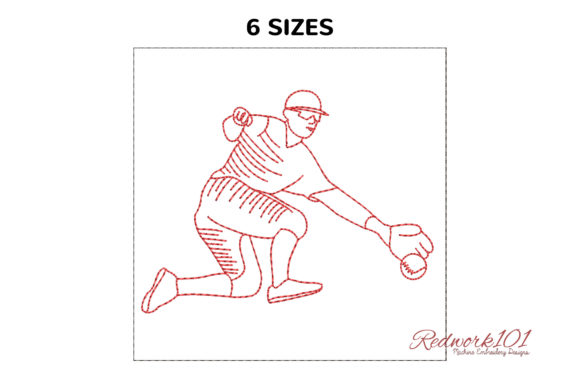
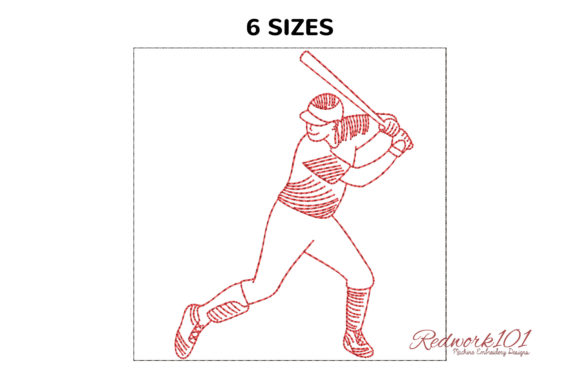
Opening the Baseball Player Swinging Redwork design, my first thought is "classic sports nostalgia." This isn't a loud, cartoonish graphic. It leans toward a clean, illustrative style—think vintage baseball cards or a simple sketch. The redwork technique, traditionally a single-color outline stitch, gives it a timeless, hand-drawn feel. The optional box stitch mentioned in the description is a key note. It frames the design, but since it's often a different color, it can be skipped. That flexibility is excellent. Without the box, the design becomes even more minimal and soft, perfect for a rustic or farmhouse aesthetic. With a contrasting box, it gains a slightly more decorative, premium border. This is a design that feels both decorative and sentimental, appealing to sports fans and gift buyers.
Product Performance: Where This Design Shines
This isn't a design for every product. Its success depends on pairing it with the right handmade product to maximize its appeal.
Top Candidates for Sales
- Aprons & Tea Towels: Kitchen textiles are a craft fair staple. The Baseball Player Swinging Redwork on an apron pocket or a tea towel corner looks intentional and charming. It adds a personal, "dad's grill apron" or "game day kitchen" vibe without overwhelming the fabric.
- Pillow Covers: A single, centered player on a pillow cover works beautifully. It becomes a focal point for a den, living room, or sports-themed room. The clean lines ensure it doesn't look cluttered.
- Tote Bags & Market Bags: Placed centrally on a natural canvas tote, this design elevates a simple bag into a themed, giftable item. It's large enough to be noticed but not so dense it becomes costly to stitch.
- Embroidered Patches: This is a strong contender. As a patch, it’s instantly understandable—a baseball player. Patches sell well to fans for jackets, bags, or hats. The redwork outline likely translates well to patch appliqué.
Considerations for Other Products
- Caps: Embroidering on curved cap surfaces is tricky. The design's likely medium detail might pucker on thick cap fabric unless expertly stabilized. It could work as a smaller accent near the brim, but test first.
- Small Pouches: On a small fabric pouch, it would need to be scaled down. Watch for loss of clarity in the player's swinging pose at tiny sizes.
- Dark Fabrics: The single-color redwork relies on contrast. On black or navy, you must ensure your thread color (like a bright white or cream instead of red) pops.
Selling and Production: The Practical Designer’s Checklist
Turning this digital embroidery file into profitable craft fair products requires a hands-on approach.
Visual Clarity and Batch Production
The design is easy to understand at a glance—a player swinging a bat. That instant recognition is vital for a busy fair booth. It works best as a medium-sized focal design, not a tiny accent. For batch production, its likely simpler stitch density (as redwork often is) means faster machine embroidery time and less thread usage, which is great for creating multiple items like a set of tea towels. However, always confirm the actual stitch count and file format from your source.
Photography and Booth Display
This design photographs well for your Etsy listings or printable mockups. The clean lines create a sharp image against fabric. In your booth, display it on products with varied fabric colors. A redwork player on a light linen towel next to the same design on a dark denim patch shows versatility. It creates a cohesive brand story for your sports-themed section without being repetitive.
Critical Embroidery Notes for Success
Before you stitch this on any final product, run through this real-world checklist.
- Test on Scrap Fabric First: Always. Use the same fabric and stabilizer you plan for production (e.g., cotton for towels, canvas for bags). Check for any puckering, especially in potential dense areas like the player's stance.
- Check Thread Contrast: The "redwork" suggests red thread, but contrast is king. Test your chosen thread on your final product fabric color.
- Review Hoop Size and Stabilizer: The design size will determine your hoop. Ensure your chosen product can accommodate that hoop area. For textured towels or thick fabrics, a firm stabilizer is non-negotiable.
- Create a Real Mockup: Before committing to batch production, stitch one complete, finished product—a real tea towel or tote. This reveals final visual weight and customer appeal.
- Confirm Commercial Licensing: This is paramount. Before selling any finished product at your craft fair or online, verify that your purchase of the Baseball Player Swinging Redwork file includes a commercial license for handmade product sales.
Final Booth Strategy
For my craft fair table, I would position Baseball Player Swinging Redwork products in a "Sports & Nostalgia" section alongside other classic sport designs. A display of embroidered tea towels hanging on a small rack, with a few patch samples pinned to a board, and a central pillow cover draws different customer types. The design’s handmade quality and clear theme increase perceived value. It engages buyers who are looking for a specific, sentimental gift—for a father, a baseball fan, or a sports-themed home. Its strength is its classic simplicity. It doesn’t shout; it quietly and effectively communicates its theme, making it a reliable, sellable choice for the embroidery business owner focused on practical, beautiful craft fair products.