Embroidery Review: Baseball on the T Ball Stand Redwork Design
As an embroidery designer preparing for a weekend craft fair, every design choice is a business decision. You’re evaluating not just if a design is cute, but if it will sell, produce well, and stand out on a crowded table. Today, I’m looking at Baseball on the T Ball Stand Redwork, a machine embroidery design in the Sports category, with a specific eye toward turning it into profitable craft fair products.
First Impression: Where This Design Finds Its Audience
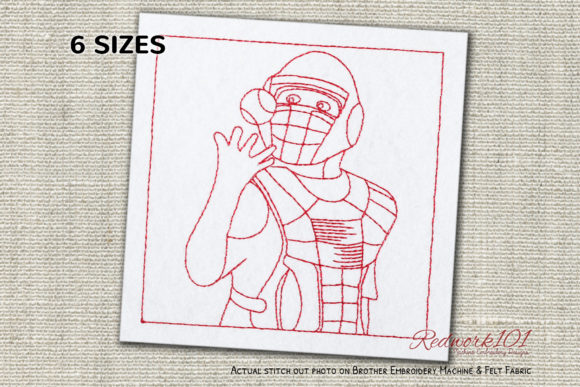
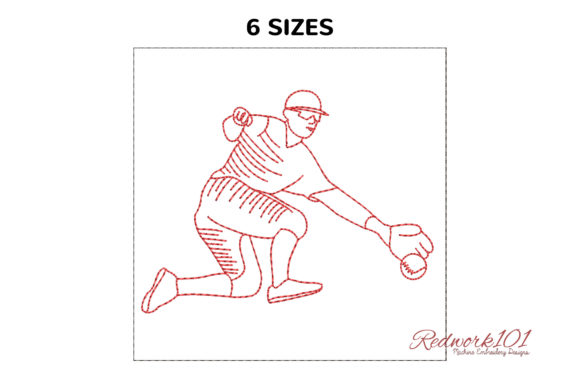
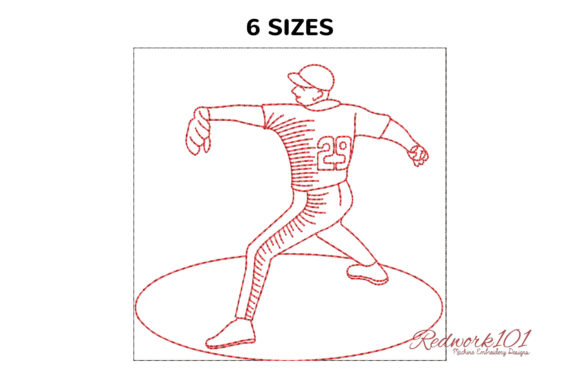
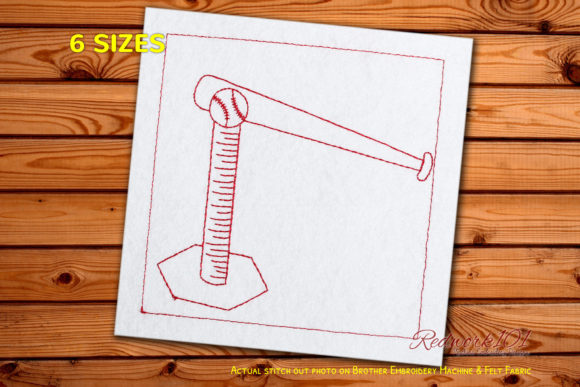
The title Baseball on the T Ball Stand Redwork immediately sets a clear, nostalgic mood. It’s not a slick professional logo; it’s a charming, slightly rustic depiction of early baseball. The “Redwork” style suggests a classic, single-color embroidery look that feels handmade and traditional. This design leans into soft, decorative, and rustic aesthetics. It won’t scream “modern minimalism” or “festive holiday.” Instead, it evokes childhood sports, simple pleasures, and a touch of farmhouse charm. That’s a specific and valuable niche at a market.
Customers noticing your booth will understand this design at a glance. It tells a simple, positive story. For parents, grandparents, or anyone with fond memories of little league, this design has instant emotional pull. It’s more cute than bold, which means it works best as an accent piece on lifestyle products, not as a large, overpowering focal point.
Product Fit: Where Baseball on the T Ball Stand Redwork Shines
Your craft fair table likely holds tote bags, aprons, tea towels, pillow covers, caps, and small handmade gifts like pouches or patches. Let’s evaluate where this embroidery file adds the most value.
High-Impact Applications for Market Sales
Tea towel embroidery is a perfect home for this design. The rustic, single-color style pairs beautifully with plain or textured towels. It becomes a decorative, usable kitchen item that feels premium yet accessible. Apron embroidery on a pocket or corner follows the same logic—a charming detail that elevates a functional product.
Tote bag design applications need careful placement. Given the likely smaller scale and cute mood, I’d position this design on a lower corner or on a small market bag, not as a huge central logo. It becomes a subtle, quality marker. For pillow covers, it could be a lovely repeated motif or a single accent on a linen pillow, enhancing that handmade quality.
Secondary Products and Considerations
An embroidered patch of Baseball on the T Ball Stand Redwork could be very successful, especially for a youth sports theme. However, pay close attention to any tiny details. Small lettering or very fine lines in the design might lose clarity when minimized for a patch. Always test first.
Caps present a challenge due to curved surfaces and typically thicker fabric. This design would need to be tested on scrap hat material to ensure the stitch density and detail hold up without puckering. For small pouches or gift items, it’s an ideal size for a front accent, immediately communicating the theme and boosting the product’s perceived value.
Practical Production: Turning the File into Sellable Goods
This is where the designer’s experience matters most. The product description notes that “The Box Stitch shown in picture is optional. The color of outer Box is different color in most of the designs unless it is part of the design itself, you can skip.” This is a crucial practical note for production.
Key Steps Before Batch Production
- Test on scrap fabric first. Use the exact materials you plan to sell (linen, cotton canvas, towel fabric).
- Check thread contrast. Redwork typically uses a single color, but ensure the red you choose has strong visibility on your background fabrics, especially on dark fabric.
- Review spacing and scale. Hoop the design at different sizes to see how it performs as a small accent versus a larger statement. Its “cute” nature likely means it shines at a moderate, readable size.
- Inspect stitch density. Are there areas in the baseball or stand that are overly dense? Dense areas can cause fabric distortion on thinner materials like tea towels.
- Use the right stabilizer for each fabric texture. A towel needs a different stabilizer than a canvas tote bag.
- Create at least one real mockup for your booth. A physical sample tells you more than a printable mockup ever will about how customers will see it.
Selling and Display Strategy at the Fair
For your Etsy listings and booth display, this design photographs well due to its clear, iconic subject. Online, ensure your photos show it on multiple products (tote bag design, tea towel embroidery) to attract different buyer interests. At the fair, group products with this design together. A small display of a towel, an apron, and a pouch all featuring Baseball on the the T Ball Stand Redwork creates a strong thematic booth display strength and reinforces your brand consistency.
Is it repeatable for batch production? Yes, if the tested hoop size and materials work smoothly. The single-color (or optional box color) scheme simplifies thread changes, making it efficient to produce multiple units. This is essential for a small shop product.
Careful-Use Notes for Quality Results
Every machine embroidery design has its quirks. Based on the description and typical “Redwork” style, here are my warnings and recommendations.
- Small Accent vs. Large Focus: This design likely works best as an accent. Enlarging it too much might make the simple redwork style look sparse rather than elegant.
- Tiny Details: Examine the file closely. If there are intricate stitches in the baseball seams or the T-ball stand, they might vanish on textured towels or become problematic on curved cap surfaces.
- Color of the Outer Box: The description gives you freedom. Skipping the box creates a cleaner, more classic redwork look. Including it in a contrasting color (like a navy blue) could make the design more vibrant and modern. Test both on your main product to see which version sells the story better.
- Commercial Embroidery: Before selling finished products, confirm commercial licensing for the digital embroidery file. This is a non-negotiable step for any Etsy seller or creative entrepreneur.
Final Judgment: A Solid Niche Design for Handmade Markets
Baseball on the T Ball Stand Redwork isn’t a universal, every-customer design. It’s a targeted handmade product for a specific audience. That’s its strength. In a sea of generic florals and quotes, this design stands out by being clearly about sports, nostalgia, and simple decoration. Its production seems straightforward, especially if you leverage the optional box stitch note to simplify your process.
For buyer engagement, it invites a story. A customer might point to it and say, “My grandson just started T-ball.” That connection is what sells at craft fairs. It increases product value by feeling personal and thoughtfully made.
My advice: Make it a secondary line, not your main focus. Have a batch of embroidered tea towels and a few aprons ready. Display them well. It will attract a particular segment of the market and do its job beautifully: turning a charming digital embroidery file into a tangible, sellable finished product that people love to own and give as gifts.