A Practical Review of the Youth Fielder Baseball Embroidery Design
As someone who stitches and evaluates dozens of designs for client projects and my own small shop, I approach every new file with a practical eye. The goal isn't just whether it looks nice on the screen, but how it translates into a tangible, sellable, or giftable product. Today, I’m thinking through the Youth Fielder Catch a Baseball Bluework design, a sports-themed embroidery file that presents a classic scene. My immediate thought is how this design would perform when I’m preparing, say, a custom sweatshirt for a young baseball fan or a personalized tote bag for a team mom. The success of any embroidery design lies in its real-world application, not just its digital preview.
The First Impression: Nostalgic and Clean Sports Appeal
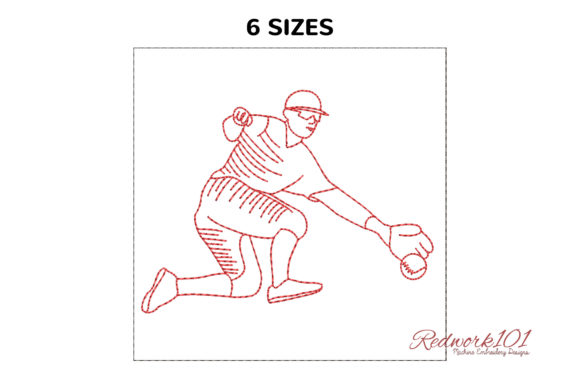
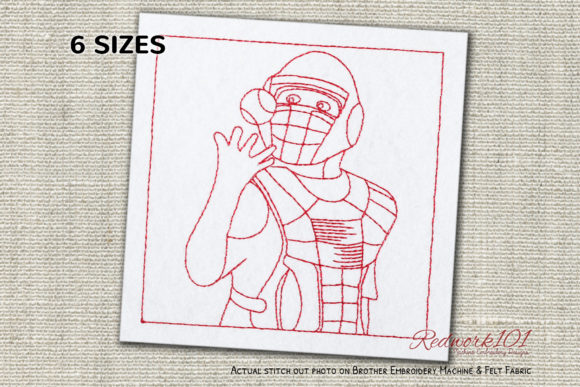
The Youth Fielder Catch a Baseball Bluework design evokes a specific mood right away. It’s not overly aggressive or modern; it has a timeless, almost nostalgic feel. The bluework style suggests a clean, graphic quality that can look sharp without requiring a massive color palette. The central action—the catch—is clear and instantly recognizable, which is crucial for sports-themed products. The detail level appears balanced; it tells the story without being overly dense, which is a win for stitch integrity and production time. This visual personality feels friendly and celebratory, making it a natural fit for youth apparel, commemorative gifts, or boutique merchandise aimed at families and sports communities.
Where This Design Shines in Real Projects
In practical embroidery situations, this design’s strengths become clear. For custom apparel like sweatshirts, t-shirts, or youth jerseys, the size and subject matter are spot-on. It would make a great focal point on a garment without overwhelming it. Consider it for a baby blanket or nursery decor for a baseball-loving family—it’s sweet without being overly childish. As an embroidered patch, its defined borders (with the optional box stitch noted in the description) would help it stand out, perfect for caps or backpack customization.
For small business merchandise, think about Etsy listings or craft fair products like tea towels, aprons, or pillow covers for a sports-themed kitchen or den. The design’s clarity translates well into printable mockups and digital previews, helping customers visualize the finished product. Its appeal as a holiday gift or personalized product is strong—a father’s day gift, a birthday present for a young player, or a team celebration item. For commercial embroidery, a local sports club could use it on uniforms or promotional items, provided licensing permits. The design adds perceived value through its recognizable theme and clean execution, fostering customer trust in your handmade presentation.
Navigating the Optional Box Stitch Detail
A key practical note from the product description is that the box stitch shown is optional, and its color may vary unless it’s part of the design itself. This is a crucial piece of information for a working designer. It means you have control. On a dark fabric like a navy sweatshirt, you might omit the box or choose a contrasting thread color so the main scene pops. On a light fabric like a white tote bag, a subtle box stitch in a complementary blue could frame the design beautifully, enhancing its boutique product feel. Always test on scrap fabric first with your intended thread choices to see how this element interacts with your base material.
Considerations for Careful Application
Every design has areas where it demands a bit more attention. For Youth Fielder Catch a Baseball Bluework, I’d be mindful in several scenarios. First, on small hoop sizes, ensure the details of the fielder and the ball remain clear—check the stitch density in those areas. Textured or stretchy fabrics, like some knits for t-shirts, require proper stabilizer to maintain the design’s crisp lines. If applying it to a curved surface like a cap, the layout might need positioning adjustments so the action scene sits correctly on the panel.
While the description doesn’t specify intricate tiny lettering, any small details within the figure should be inspected in a test run. Dense stitch areas can affect flexibility on garments, so reviewing the overall fill is wise. For products needing frequent washing, such as baby clothes or kitchen towels, a well-executed stitch with good tension and appropriate thread will ensure longevity, preserving that professional look your brand relies on.
Embroidery Designer Notes for a Smooth Project
Before committing this design to a client order or a batch of shop products, here’s my habitual checklist. These steps save time, materials, and reputation.
- Always test on scrap fabric that matches your final project material. This reveals how thread colors contrast with your background.
- Review the stitch density by running a sample; this informs your choice of stabilizer and helps avoid puckering.
- Confirm the physical hoop size needed versus the size of your product area. A design too large for a baby bib, for instance, won’t work.
- Inspect the small details—the pose, the ball—for clarity. A blurry element diminishes the visual appeal.
- Test the design in both black and white digital mockups to gauge its appeal on light and dark backgrounds.
- If the optional box stitch is used, decide on its thread color as part of your overall color plan.
- Use proper stabilizer for the fabric texture; a woven tote bag and a stretchy cap demand different approaches.
- Critical: Check whether the design’s license permits your intended use—personal projects, commercial embroidery, or selling finished items. The product description doesn’t specify this, so you must verify it independently.
- For digital product sellers, ensure your printable mockups and previews accurately represent the stitched outcome.
The Final Stitch: A Design with Versatile Charm
After this practical review, Youth Fielder Catch a Baseball Bluework stands out as a versatile embroidery file with strong application potential. Its nostalgic sports theme, clean bluework style, and controllable elements like the optional box stitch make it a reliable asset. It can enhance custom apparel, drive sales in a craft business, and serve as a cherished personalized gift. Its success hinges on the designer’s careful preparation—testing, adapting to fabrics, and respecting licensing. When stitched with attention to these real-world factors, this design can catch more than a baseball; it can catch a customer’s eye and become a valued part of your embroidery project portfolio.