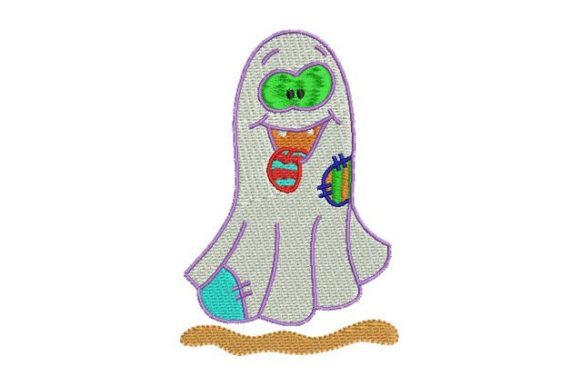
Silly Ghost Embroidery Design for Business Branding
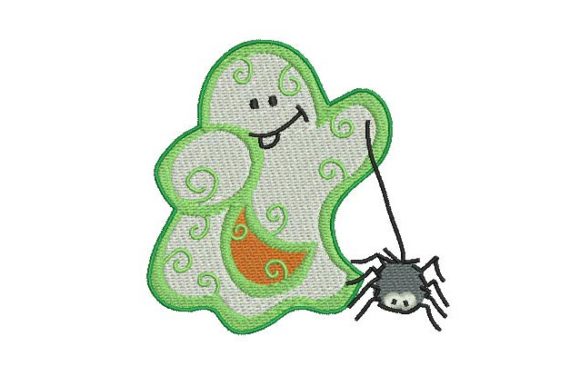
As an embroidery designer who works directly with small businesses and brands, I see a lot of files intended just for decoration. The Silly Ghost design, described as great for children's apparel and coming in a 4x4 hoop size, caught my eye. But it’s important to evaluate it from a different angle: how it performs as a branded asset for a business’s merchandise and identity. This review is for shop owners, makers, and creatives thinking beyond Halloween decor.
First Impression: Playful, Friendly, and Unpretentious
The immediate feel of Silly Ghost is playful and welcoming. The name suggests a character, not just a symbol. This translates to a brand identity that is friendly, approachable, and human-centric. For businesses that want to avoid stiff corporate imagery—like a neighborhood café, a creative studio, a boutique bakery, or a handmade pet brand—this kind of design can be a powerful tool. It reads as handmade and personable, which builds immediate customer trust and engagement. The design isn’t overly detailed or "premium" in a cold sense; it’s warm and decorative, which can elevate a product’s perceived value as something special and cared-for.
Where Silly Ghost Shines in Commercial Embroidery
Given the noted 4x4 hoop size, Silly Ghost is primed for a range of small business merchandise applications. It’s not just for a kid’s sweater.
- Embroidered Patches: This is a prime use. A 4x4 finished patch is substantial for a bag or jacket. It could serve as a perfect product label for a handmade shop, sewn onto tote bags or aprons as a brand mark.
- Chest Logo Accents & Uniforms: On staff polos or work shirts for a seasonal café or event, Silly Ghost would be a charming sleeve detail or chest accent, fostering team identity.
- Cap Embroidery: The size is suitable for most cap fronts, offering a playful logo for businesses with a casual, fun culture.
- Tote Bag & Apron Design: Directly embroidered onto canvas totes or chef aprons, it becomes a recognizable merchandise item for customers or a uniform element.
- Product Packaging & Gift Accents: Small embroidered patches or directly embroidered fabric tags can be attached to product packaging, elevating a simple purchase into a branded experience.
- Event Merch & Etsy Branding: For a business running a Halloween market or an Etsy seller specializing in seasonal goods, this machine embroidery design can be the core of limited-edition merchandise, creating visual consistency across items.
Practical Considerations for Professional Use
Turning a fun design into a reliable finished product requires some professional diligence. Here are key notes from the embroidery designer’s seat.
Testing Before Production
Always test the embroidery file on real fabric before committing to a client order or a batch of merchandise.
- Scale It Down: While it’s sized for a 4x4 hoop, test it at a smaller patch size if needed for caps or labels. Check that the character’s features remain clear and don’t get lost in high stitch density.
- Color Contrast: Review thread color choices. On dark uniforms or bags, you may need to adjust colors for visibility. Test a monochrome (black and white) version first to gauge its strength as a simple logo.
- Fabric & Stabilizer: The success on different materials—canvas totes, textured aprons, smooth polo twill—depends heavily on using the proper stabilizer. Don’t assume one setting works for all.
- Create a Printable Mockup: Before production, create a simple mockup for client approval. Seeing Silly Ghost beside their other brand assets confirms it fits their identity.
Applications to Approach Carefully
Some uses require extra attention to ensure quality.
- Very Small Patch Sizes: If reduced significantly below the intended size, detailed outlines might become bulky. It’s best for a moderately sized accent.
- Curved Surfaces like Caps: The design’s shape should be checked on a curved cap front to ensure it stitches cleanly without distortion.
- Items for Frequent Washing: For staff uniforms that will be laundered often, a robust stitch structure is key. Ensure the file’s stitch density and underlay are suitable for durability.
Brand Identity and Customer Perception
Using Silly Ghost on your custom apparel or products does more than decorate; it communicates.
It signals a brand that is playful and engaging, potentially targeting families or a creative community. For a business, this can increase recognition—a friendly ghost on an apron becomes a memorable mark. It enhances a handmade product’s presentation, suggesting care and personality over mass production. However, ensure it aligns with your overall visual tone. A whimsical bakery might embrace it fully; a more elegant florist might use it only as a seasonal accent on event merch. The goal is to use it intentionally to strengthen, not confuse, your brand story.
Final Designer Advice Before Business Use
To wrap up this review from a professional standpoint:
- Confirm the digital embroidery file details: exact stitch count, file formats, and any included sizes beyond the mentioned 4x4 hoop.
- Verify commercial licensing terms. Ensure your use for business merchandise and patches is permitted by the file’s license.
- Compare the cost of producing embroidered patches versus direct garment embroidery for your specific project scale.
- Think of Silly Ghost as a design asset. Its value is in repeated, consistent application across your merchandise, building a cohesive brand look.
Ultimately, Silly Ghost is a design with strong potential for small business branding beyond its Halloween roots. With proper testing and intentional application, it can become a charming and effective part of your merchandise lineup, adding personality and value to your branded products.