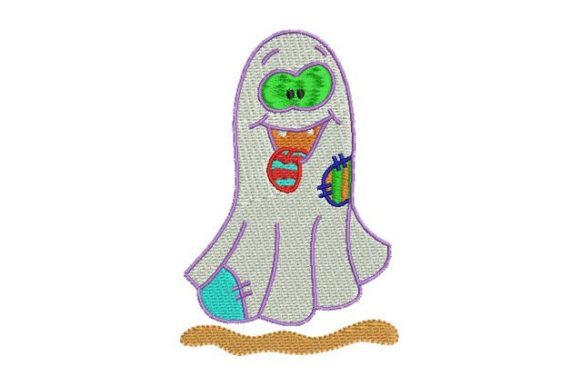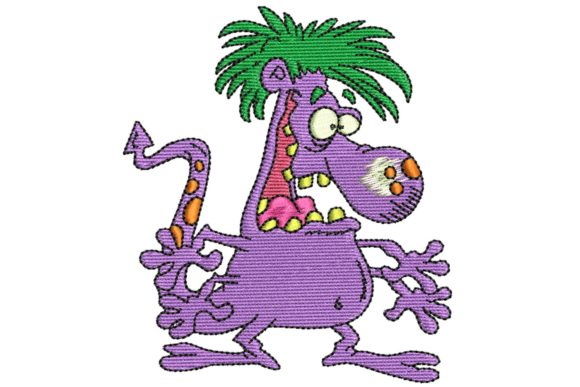
Hungry Monster: A Playful Halloween Embroidery Design Review
As an embroidery designer planning products for a personalized gift shop, I test every design with a practical eye. Today, I'm reviewing the Hungry Monster clipart design, envisioning it stitched onto a baby blanket, a kitchen towel, or a custom tote bag. The immediate impression? Pure, playful charm. This isn't a scary monster; it's a sweet, eager character ready to collect its treats. The mood is undeniably joyful and lighthearted, making it perfect for seasonal gifts that feel handmade and full of personality.
The Emotional Appeal & Gift Potential of Hungry Monster
The emotional appeal here is straightforward: it’s fun. This design connects with anyone who loves the playful side of Halloween—parents decorating a nursery, a couple looking for a whimsical kitchen towel, or a crafter making items for a craft fair. It feels modern yet classic in its cartoon style, and its emotional pull is towards warmth and nostalgia rather than spookiness. This opens up many personalized gift avenues.
For baby embroidery, imagine this on a corner of a blanket or a cute bib. It’s a gentle introduction to the holiday. For wedding gifts, a couple who enjoys Halloween might adore a set of embroidered pillow covers or an apron as a keepsake. As a family keepsake, stitching it onto a tote bag for trick-or-treating creates a memorable, reusable item. The design is versatile for nursery decor, aprons, pillow covers, and blankets. For Etsy sellers and small shop product creators, it’s a ready-made theme for seasonal listings. Offering customers a custom embroidery preview with this design on a personalized gift like a towel or bag can significantly boost buyer engagement.
Where Hungry Monster Shines & Where to Use Caution
The charm of Hungry Monster lies in its clear, character-focused details. However, translating a clipart into a stitched product requires careful planning. On smooth, stable fabrics like cotton for pillow covers or canvas for tote bags, it should perform beautifully, preserving its playful lines. The perceived value and handmade quality will be high on such items.
Use caution, however, on certain materials. Textured fabric like thick towels can distort finer details if not stabilized properly. Stretchy baby clothes need excellent stabilizer to prevent puckering. If the design includes any small lettering or extremely delicate details, they might need simplification in the embroidery file to stitch cleanly. Always test on scrap fabric first. On dark fabric, thread color contrast is crucial; you may need to choose brighter tones so the monster pops. For products that need frequent washing, like kitchen towels, ensure a robust stitch density so the design holds up over time.
Enhancing Giftability and Customer Trust
Using a design like Hungry Monster correctly elevates giftability. A well-embroidered pillow cover feels like a thoughtful seasonal heirloom. It builds customer trust when the finished product is crisp and durable. The emotional connection is direct—it’s a happy, recognizable character. For product photography, especially for Etsy sellers, this design provides a strong visual focus. Photograph it on the actual product—a fluffy blanket, a crisp apron—to show its real-life application. This honesty in presentation directly engages buyers looking for a handmade product.
Practical Embroidery Notes for a Successful Finish
Before running this machine embroidery design on a real customer’s order, my workflow involves several key checks. First, I always test on scrap fabric identical to the final product material. This reveals how the fabric texture interacts with the design. I then check thread color contrast against both light and dark backgrounds, creating light and dark fabric mockups digitally if possible.
Confirming the hoop size required is essential; the design description doesn’t specify one, so I must check the actual digital embroidery file properties. I review the stitch density in my software—too dense can stiffen a baby blanket, too light might look sparse on a towel. Using the proper stabilizer for each base material (cutaway for towels, tear-away for stable cotton) is non-negotiable. After a test run, I meticulously check small details after stitching to ensure every line is clean.
Finally, and critically, I confirm commercial licensing before selling finished products. The design is credited as clipart by Ron Leishman from Toonaday.com. I must verify the terms for commercial embroidery use to ensure my gift shop can legally sell embroidered towels, bags, and other items featuring this charming monster. This due diligence protects my business and respects the artist’s work.
A Design for Seasonal Joy and Personalized Crafts
The Hungry Monster design, when embroidered with care, becomes more than a Halloween image; it’s a marker of seasonal joy on a useful item. For baby product creators, it adds a safe, cute theme to their line. For wedding gift designers, it offers a niche option for festive couples. For all crafters and digital product sellers offering this as an embroidery file, providing clear notes on optimal use will help their customers succeed.
In my review for the personalized gift shop, Hungry Monster passes the initial charm and versatility test. Its playful nature is its greatest asset, appealing to a broad audience looking for non-spooky Halloween decor and gifts. The next step is the hands-on testing—hooping up that scrap fabric, choosing the perfect candy-colored threads, and watching this friendly monster come to life in stitches, ready to adorn a blanket, towel, or bag that will be cherished far beyond the season.