A Designer's Take on the Alligator Head Applique
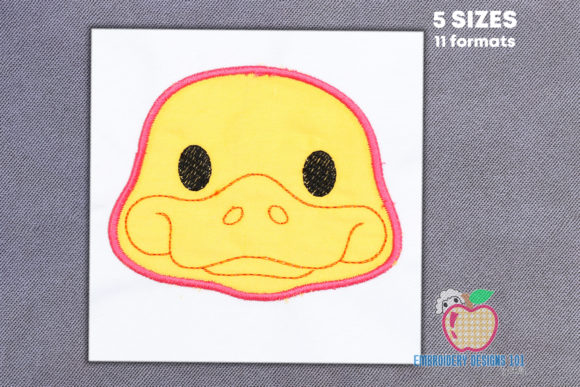
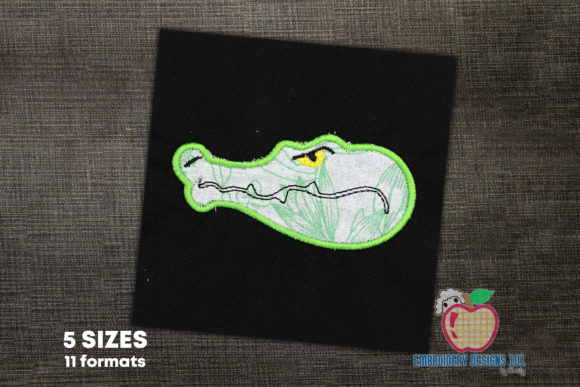
As someone who stitches for clients and for my own shop, I look at a new embroidery file with a practical eye. My first question is always: where does this design truly belong? When I opened the Alligator Head Applique, that question was easy to answer. This reptile has a bold, playful personality. It’s not a scary, realistic creature; it’s a friendly cartoon with a wide grin. That mood immediately suggests a range of projects – from a child’s sweatshirt to a statement tote bag for a garden enthusiast.
Finding Its Natural Habitat: Perfect Projects for This Reptile
I pictured stitching this onto a canvas tote bag. It’s a classic small business product, and this design fills the space with character without being overly dense. The shape is solid and well-defined, making it ideal for an appliqué approach. It would look crisp on a cotton apron, adding a quirky touch to kitchenwear. For baby items, like a blanket or a durable playmat, the friendly face is a winner – it’s engaging but not intimidating. I can also see it as a fantastic, bold patch, applied to a backpack or a hat, instantly creating a custom, branded look for a boutique or a craft fair table.
This is a design that speaks to personalized gifts. Imagine it on a dad’s cap for a fishing enthusiast, or on a set of tea towels for someone who loves a tropical vibe. Its clear, cheerful demeanor translates well into holiday embroidery for a unique gift, far from the usual seasonal motifs. For Etsy sellers and small shop product lines, it offers a ready-made asset that can be adapted across different items, helping build brand consistency with a recognizable, fun character.
Where It Might Need a Careful Approach
While the alligator’s head is generally clean, any appliqué design with defined corners and a satin stitch border demands attention on certain surfaces. On very stretchy fabric like a thin t-shirt, you’ll need excellent stabilizer to prevent puckering around those clean edges. Embroidering on a curved surface like a cap brim requires careful placement to keep the entire head flat and visible.
If you plan to use it on dark fabric, thread color contrast is key. The design’s appeal relies on that clear, grinning shape; if the thread colors don’t pop against the background, the personality gets lost. Also, for products destined for frequent washing, like baby clothes or kitchen linens, ensure your stitch density is sufficient to withstand wear without the appliqué edges fraying. A test on scrap fabric is always your best first step.
Stitching Success: Practical Notes for Real Projects
Since the product description notes it comes with multiple embroidery file formats, that’s a huge plus for working across different machines. The mention of steps separated by color changes suggests a logical stitching sequence, which helps efficiency. My standard process with such a file would be:
- Hoop a scrap of my target fabric (say, canvas for a tote or twill for a cap) with the appropriate stabilizer.
- Run a test stitch to check the actual satin stitch and fill stitch areas for density and clarity.
- Compare how it looks on both a light and a dark background scrap to finalize my thread palette.
- For commercial projects or selling the finished product, I always confirm the licensing terms directly – never assume.
This kind of design is excellent for creating printable mockups for your online shop. Its strong silhouette looks convincing in digital previews, building customer trust in the final handmade product. When stitched well, it elevates a simple item. A plain sweatshirt becomes a custom apparel piece with higher perceived value, and a basic pillow cover turns into unique nursery decor.
The Final Impression: A Design That Engages
After considering it for real-life use, the Alligator Head Applique stands out as a versatile, character-driven asset. It doesn’t try to be everything; it knows its role as a fun, bold graphic. For the maker, it simplifies the decision – you can intuitively match it to products that need a splash of friendly personality. For the customer or gift recipient, it’s instantly recognizable and engaging, which is the core of a successful embroidered project.
My final advice is to let its natural vibe guide you. It belongs on items that tell a little story: adventure, humor, or a touch of the wild. Stitch it with attention to fabric and stabilizer, and this reptile will become a reliable, repeatable favorite in your design library for both personal joy and professional craft.