A Deepavali Design for Business Branding
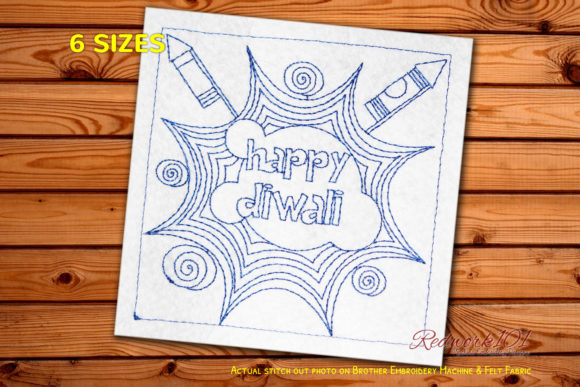
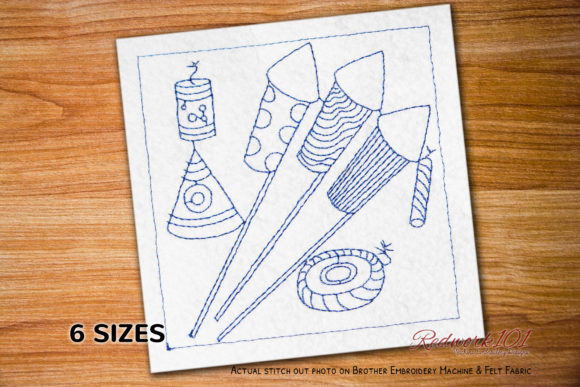
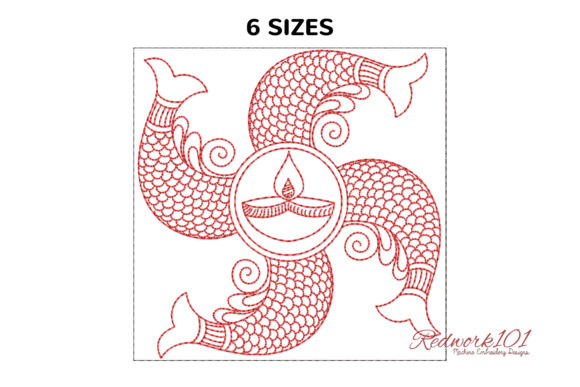
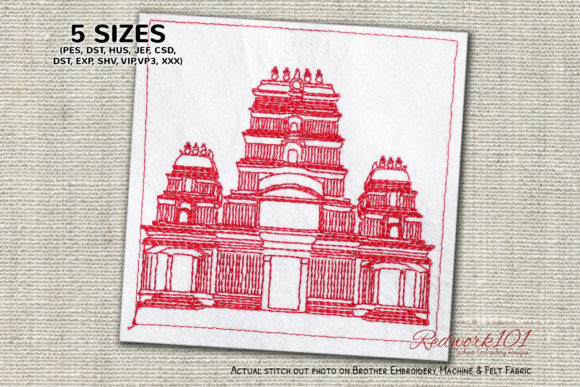
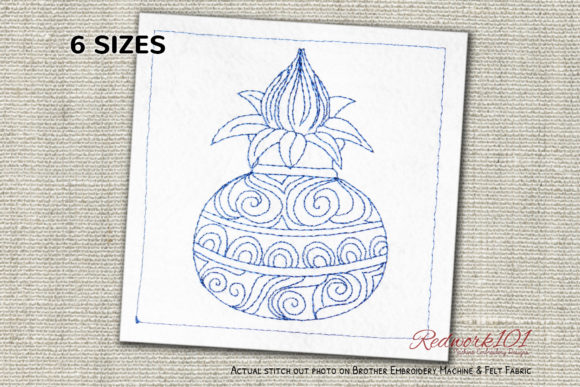
When you run a small business, every branding choice is an investment. It needs to work. Today, I’m reviewing the Deepavali Pooja Redwork embroidery design from a strictly commercial, professional perspective. How does this religious-themed design translate into merchandise, patches, and brand accents? Let’s look beyond the decoration.
First Impression: Elegant, Handmade & Symbolic
Immediately, the name Deepavali Pooja Redwork sets a tone. It suggests a focus, a cultural celebration, and a classic, handmade aesthetic through ‘Redwork’. For a business, this isn’t just a generic logo. It carries inherent meaning. The design feels elegant and intentional, leaning towards a premium, crafted presentation. It’s not overly playful or rustic; it feels respectful and detailed, which can elevate a brand’s perceived value.
Business Use Scenarios: Where This Design Excels
This isn’t a mass-market graphic. Its power lies in targeted, meaningful application. Here are real scenarios where I’d recommend it.
For Branded Patches & Product Labels
An embroidered patch using Deepavali Pooja Redwork can be a powerful brand accent. For a small café, boutique, or studio that celebrates or serves a community observing Deepavali, this patch on a tote bag or as a product label instantly communicates cultural connection and care. It transforms a simple item into a thoughtful, branded gift or merchandise piece.
As a Uniform Accent, Not a Primary Logo
On staff uniforms, aprons, or work shirts, consider this design as a sleeve detail or chest accent, paired with your main business logo. It adds a layer of personality and occasion-specific branding—perfect for a bakery, florist, or pet brand running a festive promotion or event. It builds customer engagement through shared cultural moments.
Cap Embroidery & Tote Bag Marks
For curved surfaces like cap fronts or textured fabric like tote bags, the design’s likely detail requires careful testing. But if executed well, it creates a standout, high-value item. A cap with this design becomes more than apparel; it’s a statement piece for event volunteers or as limited-edition customer merch.
Application Considerations: Where to Use Carefully
Professional embroidery means knowing a design’s limits. For Deepavali Pooja Redwork, consider these points before production.
- Small Patch Sizes: The potential detail and the optional box stitch mean you must test the embroidery file at a small scale first. Will the core design remain clear and legible at 2 inches?
- High Stitch Density: ‘Redwork’ often implies satin stitches or fills. High stitch density on caps or curved surfaces can be problematic. Use proper stabilizer and consult your machine settings.
- Fabric Texture & Color: The described color variation (the outer box being a different color unless part of the design) is crucial. Test thread color contrast on your actual fabrics—especially dark uniforms or textured aprons.
- Frequent Washing: For merchandise that will be laundered often, ensure the stitch structure is robust. A densely embroidered design on a chef’s apron must endure wear.
Impact on Brand Identity & Customer Trust
Using a design like Deepavali Pooja Redwork is a strategic brand decision. It moves beyond visual consistency into emotional resonance. For your business, it can:
- Enhance Professionalism: A well-executed, culturally specific design shows attention to detail and respect, boosting perceived professionalism.
- Increase Product Value: On handmade products or boutique merchandise, this embroidery feels like an artisan add-on, justifying a higher price point.
- Build Recognition: During a festive season, this design becomes your brand’s visual signature for the event, aiding recognition.
- Foster Engagement: It invites conversation and connection, turning customers into community members.
Practical Designer Notes Before Production
Before you run this digital embroidery file for any commercial embroidery project, follow this checklist.
- Test in Black and White First: Convert the design to a single color on screen. This reveals the fundamental form and helps judge if it works at your intended small patch size.
- Review Thread Color Contrast: Plan your color scheme. Since the outer box color can vary, decide early. Ensure it contrasts well with your background fabric.
- Confirm Hoop Size & Stabilizer: The product description doesn’t specify hoop size. Check your embroidery file details. Match the hoop size to your item and use the correct stabilizer for the fabric texture—heavy for bags, lightweight for apparel.
- Test on Real Fabric Scrap: Never skip this. Embroider a sample on an actual scrap of the uniform, apron, or bag material you’ll use.
- Create a Printable Mockup: For client approval (or your own planning), create a mockup showing the design on a cap, tote, or apron. This visual confirms placement and scale.
- Compare Beside Other Assets: Place the embroidered sample beside your main logo and other design assets. Does it complement your brand visually?
- Confirm Commercial Licensing: The product is categorized under Religion and Embroidery. Before any business use, verify the licensing terms of the embroidery file for commercial embroidery. Ensure you have the right to use it on merchandise you sell.
Final Thoughts for Merch Creators
The Deepavali Pooja Redwork design is a specialized tool in your branding toolkit. Its value is maximized when applied with intention—for event-specific merch, community-focused branding, or as a premium accent on high-value products. It’s not a daily primary logo, but as a sleeve detail on a staff shirt during a festival or a beautifully crafted patch on a gift tote, it can significantly deepen your brand’s story and customer connection. Always start with a test stitch. Your best business decisions are informed by the real, finished product.