Professional Review: Arequipa Peru Temple Embroidery Design
First Impressions for Brand Merchandise
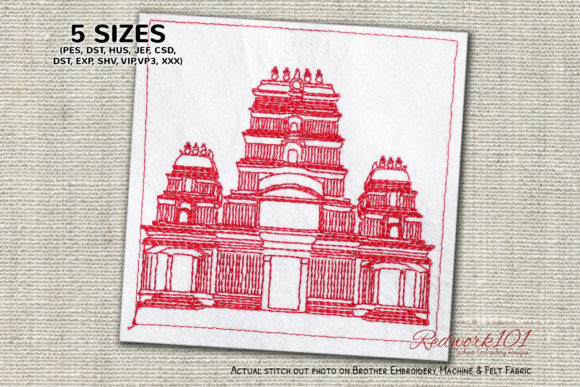
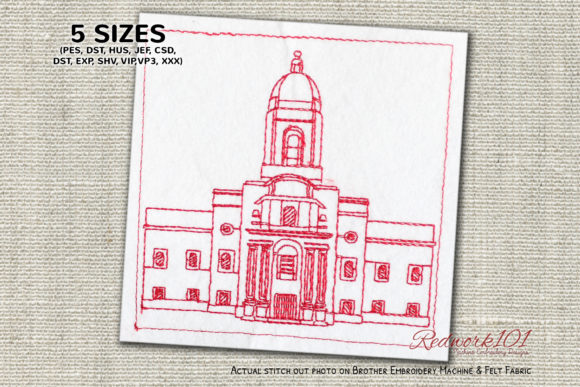
When evaluating the Arequipa Peru Temple Redwork Design for business use, its initial character is distinctly classic and elegant. The “redwork” style, a traditional embroidery technique, suggests a handmade, artisanal quality. This imbues the design with a sense of authenticity and premium craftsmanship, which can be a powerful asset for small businesses aiming to convey values of heritage, care, or refined simplicity. The optional Box Stitch border mentioned in the description adds an interesting consideration; it can frame the design for a polished, finished look, but skipping it may result in a more direct and minimalist aesthetic, allowing the temple illustration itself to be the sole focus.
Where This Design Excels in Business Applications
The Arequipa Peru Temple Redwork Design holds strong potential for several key merchandise categories. Its likely detailed linework and single-color palette (or limited color scheme implied by “redwork”) make it remarkably versatile for branded physical goods.
- Embroidered Patches: This design is a prime candidate for creating custom patches. The defined subject matter and elegant lines can translate well to a standalone patch for beanies, backpacks, or as a reward for loyal customers.
- Uniform & Apron Accents: For businesses like cafes, bakeries, or boutiques, a subtle chest logo or sleeve detail on staff uniforms can elevate professionalism. The design’s likely intricate details would offer a sophisticated touch without overwhelming the garment.
- Tote Bags & Product Labels: Embroidered on a tote bag, it becomes a statement merchandise item. As a small accent on product packaging or tags for a handmade shop, it adds a layer of visual consistency and perceived value.
- Cap Embroidery: On the front panel of a cap, the design can serve as a clean, recognizable logo, especially if the stitch density is managed well for curved surfaces.
- Event Merch & Customer Gifts: For a studio or creative business, this design on a commemorative item like a tea towel or framed hoop art can create a meaningful gift that reinforces brand identity.
Navigating Practical Embroidery Challenges
While the Arequipa Peru Temple Redwork Design is promising, its application requires careful practical consideration to ensure a quality finished product. As a professional designer, I would advise the following steps before any commercial embroidery project.
- Test at Small Scale: Crucially, test the embroidery file at the intended small patch size. Detailed outlines and tiny architectural elements may need simplification to remain clear and prevent thread breaks.
- Evaluate Stitch Density: Redwork often uses satin stitches or detailed fill patterns. High stitch density can be problematic on lightweight fabrics or items needing frequent washing, like work shirts.
- Thread Color & Fabric Contrast: The classic red thread on lighter fabrics is striking, but test it on your actual uniform or bag fabric—especially dark fabrics—to ensure sufficient contrast. Consider if alternative thread colors would better align with your brand palette.
- Use Proper Stabilizer: For textured fabrics like canvas tote bags or aprons, choosing the correct stabilizer is non-negotiable to maintain design integrity and prevent puckering.
- Create a Printable Mockup: Before production, always create a digital mockup of the design on your product (e.g., a cap, apron) for client or internal approval. This visual confirms placement and size.
Scenarios Where This Design Needs Careful Placement
Some applications demand extra attention. On curved surfaces like cap fronts, the design’s potentially rectangular border (if the Box Stitch is used) might need adjustment. Small lettering, if present within the temple design, could become illegible at very small sizes. Always run a test on the actual item—a cap, a curved bag handle area—before committing to a bulk order. Furthermore, for businesses in the Religion category or those with a related community focus, the design’s specific symbolism can deeply enhance customer trust and recognition, but it must be used respectfully and consistently across all branded materials.
Impact on Brand Identity and Product Value
Integrating the Arequipa Peru Temple Redwork Design into your merchandise strategy can significantly affect your brand perception. The handmade presentation inherent to embroidery, combined with this design’s elegant and classic feel, elevates products from simple commodities to valued artifacts. For an Etsy seller or craft business, it can serve as a cohesive design asset across product lines, signaling a commitment to quality and artistry. This visual consistency builds customer recognition and can turn a simple tote bag or apron into a sought-after brand item. The professionalism conveyed by a well-executed embroidered logo on staff uniforms fosters customer trust and reinforces a unified brand experience.
Final Designer Notes for Commercial Use
My final review advice is rooted in production reality. First, test the design in a single color, even black, on a scrap of your target fabric. This reveals the true line quality without color distractions. Second, confirm the practical details not specified in the description: the required hoop size for your machines and the exact stitch count for timing production runs. Most importantly, always verify the commercial licensing terms of the digital embroidery file before using it for business merchandise. Once cleared, this design becomes a powerful tool. Compare it alongside your other brand assets to ensure it complements your overall visual identity. With proper testing and application, the Arequipa Peru Temple Redwork Design can be a beautiful and effective cornerstone for your small business merch, enhancing custom apparel and handmade products with a touch of embroidered distinction.