The Clubs Embroidery Design: A Compact, Classic Emblem
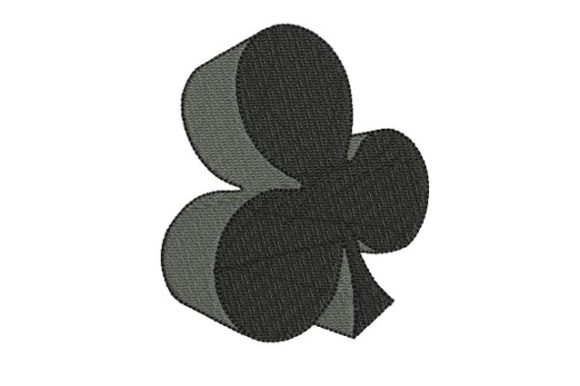
When you first open the file, the clubs symbol presents itself with a clean, geometric confidence. It’s not a fussy illustration; it’s the iconic suit from a deck of cards, rendered with a straightforward graphic sensibility. This simplicity is its strength. The shape is bold, the lines are clear, and it carries an immediate, recognizable personality—one of games, chance, strategy, or simply classic style. For an embroidery designer, this is a promising start: a design that won’t get lost in translation from screen to stitches.
Where This Design Finds Its Perfect Home
I’m picturing a custom order for a personalized tote bag. A client wants a set of bags for a poker night gift, or perhaps a boutique selling niche, theme-based merchandise. The clubs design, at its specified 4×4 hoop size, is an ideal candidate. It’s a self-contained emblem, perfect for a centered placement on a bag pocket or a crisp applique on a cotton apron for a casino-themed restaurant. Its compact nature makes it wonderfully adaptable.
Think of it on the sleeve of a heavyweight sweatshirt—a subtle, branded detail for a game shop. Imagine it as a small, repeated motif on the corner of a linen tea towel, part of a kitchen set for a lover of board games. It would work beautifully as a single, focused element on a baby’s denim jacket for a family with a playful, card-game-inspired nickname. The mood it creates is versatile: it can be sleek and modern, nostalgic, or simply fun, depending entirely on the fabric and thread colors you choose.
Performance on Real Fabrics and Products
In real-life embroidery, clarity is king. The clubs symbol, with its solid shape and likely use of satin stitches for the stem and fill stitches for the leaf forms, should translate well into physical stitching. On a medium-weight cotton tote, it will pop with definition. On a textured sweater, you’ll need to consider stabilizer carefully to maintain those clean edges. The 4×4 hoop size tells me this is a design meant for detail, not sprawling coverage, which is excellent for projects where you want a crisp, professional finish without overwhelming the garment.
For commercial projects or small shop merchandise—say, a series of embroidered caps for a local poker league—this design offers consistency. It’s easily repeatable, and its recognizability adds immediate value. A customer sees it and understands the theme instantly, which builds trust in your craftsmanship; it looks intentional and well-executed. For an Etsy seller creating a line of “game night” embroidered patches, this clubs emblem becomes a core, reliable design asset.
Navigating Potential Pitfalls
However, the compact size and presumably detailed corners of the club leaves mean you must be strategic. On very stretchy fabrics like thin t-shirts, the dense areas could pull. On dark fabric backgrounds, your thread color contrast needs to be high-contrast and bold—a white or bright yellow—to maintain that visual punch. The small hoop size also suggests that trying to scale it down further for a tiny cap logo might compromise the stitch integrity; it’s likely optimized for that 4×4 space.
Curved surfaces, like the crown of a cap, require extra attention to stabilizer and possibly a lighter-weight backing to prevent distortion. And for products destined for frequent washing, like kitchen towels or baby items, you’ll want to test the stitch density on similar scrap fabric first to ensure it holds up without fraying over time. The design’s appeal hinges on its crispness, so preserving that through wear is crucial.
The Designer’s Practical Checklist
Before I hoop any fabric for a client project with this clubs design, my process would be:
- Run a test on a scrap of the actual project fabric—never assume.
- Check the thread palette. Does a classic black on white work? Or would a metallic silver on a dark sweatshirt create a more premium gift?
- Review the stitch density in the file preview. Are there any unusually dense areas that might require a change in stabilizer weight?
- Confirm the 4×4 hoop size is compatible with my machine and the intended product area.
- Inspect the small details, especially the points of the club leaves, in a stitched test. Are they sharp or do they blob?
- Create simple black and white digital mockups to see how it reads as a logo.
- Compare how it looks conceptually on both light and dark backgrounds in my mind.
- Plan the stabilizer type—cutaway for permanent apparel like bags, tearaway for less stable fabrics?
Most importantly, since this is part of a larger set of 11 designs, I would verify the licensing terms. Can I use this embroidery file for commercial projects, selling finished tote bags or patches in my small shop? Or is it for personal use only? This is a fundamental step for any creative entrepreneur.
Final Impression: A Trusty Tool in the Design Toolkit
The clubs design isn’t a flashy, complex scene; it’s a solid, usable emblem. Its value lies in its graphic purity and thematic clarity. For a crafter making personalized gifts, it’s a quick win. For an apparel decorator, it’s a reliable, repeatable element for themed batches of work. For a digital product seller offering printable mockups, it provides a clean, professional visual for product previews.
It feels like a design that, when stitched well with the right technical preparation, results in a finished product that looks deliberate and skillful. It enhances a handmade presentation because its success is so visibly tied to the quality of the embroidery execution. That, in turn, boosts buyer engagement—a well-embroidered, recognizable symbol on a premium sweatshirt tells a story and feels worth the price.
In essence, this clubs design is a practical, professional choice. It asks for careful setup and respect for its technical parameters, but in return, it offers a classic, adaptable motif that can anchor a whole range of themed projects with confidence.