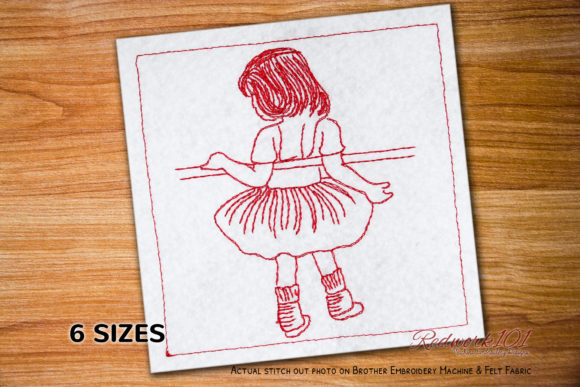
Evaluating the Cute Little Girl in Ballerina Pose Embroidery Design
When a design like Cute Little Girl in Ballerina Pose lands in your library, the first instinct is to imagine it stitched out. This isn't just a digital embroidery file; it's a potential product, a gift, a piece of branded merchandise. My initial impression is one of gentle, classic charm. The design captures a universal moment—the simple elegance of a young dancer—with a softness that avoids being overly saccharine. The layout feels balanced, and the detail level suggests it will translate well into stitches without becoming a dense, thread-heavy burden.
The Natural Habitat for This Dancing Figure
This design belongs firmly in the realm of personalized, heartfelt items. Picture it on the corner of a child's knit blanket, the centerpiece of a boutique baby onesie, or as a sweet accent on a linen pillow cover for a nursery. For small shop merchandise, it’s a strong candidate for tote bags and aprons aimed at mothers or dance teachers. As an embroidery project for gifts, it immediately feels appropriate for birthdays, holidays, or "just because" presents for little girls. The mood is inherently joyful and innocent, which aligns perfectly with products meant to evoke warmth and care.
In a real-life scenario, let's say a client requests a custom embroidered sweatshirt for their daughter's first ballet recital. Cute Little Girl in Ballerina Pose would be a frontrunner. Its theme is direct and celebratory. Stitched on the chest of a heather gray sweatshirt, the design would act as a wearable keepsake. For an Etsy seller specializing in dance-themed items, this file becomes a reusable asset for creating consistent, recognizable products—from patches to tea towels—that build a cohesive brand around a passion.
Where It Shines and Where to Proceed with Caution
On stable, medium-weight fabrics like cotton twill for tote bags, canvas for aprons, or fleece for blankets, this design should perform beautifully. The visual personality is clear and open, likely relying on clean satin stitch outlines and fill stitch areas for the figure, promising good stitching clarity. On lighter fabrics like linen for kitchen towels or broadcloth for pillow covers, it would maintain a delicate, handmade presentation that elevates the product's perceived value.
However, careful consideration is needed for certain applications. On very textured fabrics, like a thick terry cloth robe, the finer details might get lost. Embroidering it onto a curved surface, like a cap, requires meticulous hooping and stabilizer choice to keep the ballerina's pose undistorted. Dark fabric backgrounds demand a thoughtful thread color selection to ensure the figure pops—a simple black and white mockup test beforehand is invaluable here. For items destined for frequent washing, like baby clothes, you'd want to assess the stitch density; overly dense areas can wear differently. The optional outer box stitch mentioned in the description is a notable feature. It provides a framed, finished look, perfect for a patch or a defined graphic on apparel, but as noted, you can skip it for a more integrated, softer feel, which I'd likely choose for most garment applications.
Practical Notes from the Hoop
Before committing this design to a client project or a batch of craft fair products, run it on scrap fabric first. This is non-negotiable. Check the thread color contrast against your actual project fabric, not just a screen preview. Inspect the small details—the hands, the facial expression, the ballet slippers—to ensure they translate with the clarity you expect. Confirm your hoop size can accommodate the design comfortably, allowing room for stabilizer. Use a stabilizer appropriate for your base material; a design like this on a stretchy t-shirt needs solid support.
For commercial embroidery and digital product sellers, clarity on licensing is paramount. Before selling finished items or including this file in a digital asset pack, confirm the terms of use. This protects your craft business and maintains customer trust. For apparel decorators and creative entrepreneurs, this design’s giftability and recognition are its commercial strengths. A well-stitched version on a simple product feels professional and engaging, turning a basic sweatshirt or bag into a thoughtful, branded item.
The Final Stitch: A Design with Clear Purpose
Cute Little Girl in Ballerina Pose isn't a complex, all-purpose graphic. It’s a niche design with a specific, emotional appeal. That’s its power. In the crowded world of embroidery files, a design that so clearly fits a mood and a customer profile is a practical asset. It affects buyer engagement by speaking directly to a moment, a memory, or a passion—in this case, dance. For handmade shop owners and makers, that targeted appeal is often more valuable than a generic motif.
My overall judgment is that this is a reliable, charming design for the projects it naturally suits. It won’t be the hero for every embroidery project, but for creating personalized gifts, nursery decor, and dance-themed small shop merchandise, it will stitch out with a friendly, professional result that feels both timeless and thoughtfully made. Just remember the basics: test it, stabilize it, and place it where its gentle story can be best told.