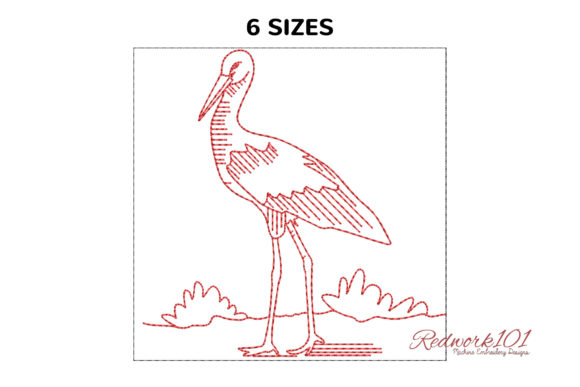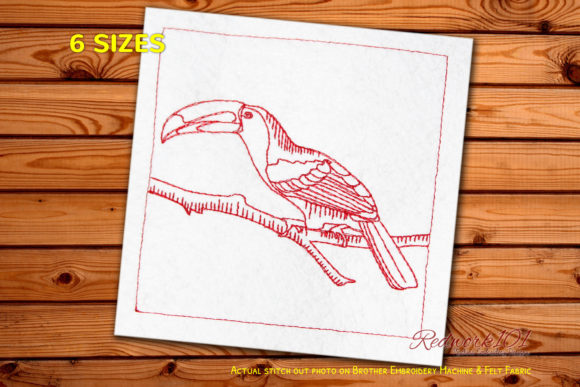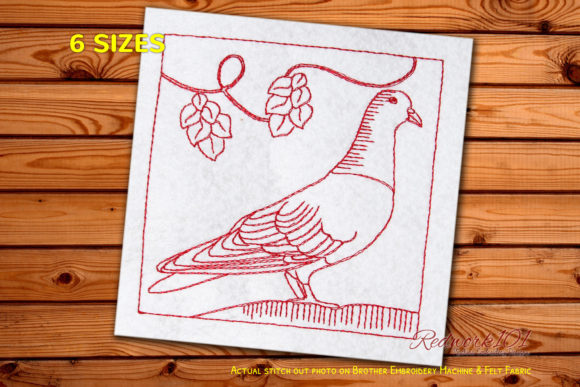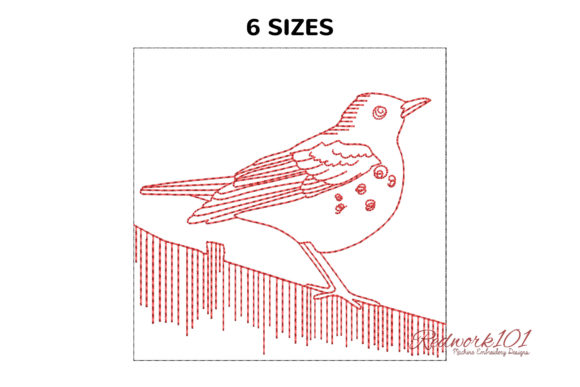
Common Crane Bird Redwork Embroidery: A Designer's Practical Review
When browsing for embroidery designs for real projects, I’m always looking for files that translate well from screen to stitch. The Common Crane Bird Redwork design caught my eye, and after a close review, I considered it for several upcoming client orders. This is my honest evaluation from a working designer's perspective.
The Immediate Appeal: Elegance and Simplicity
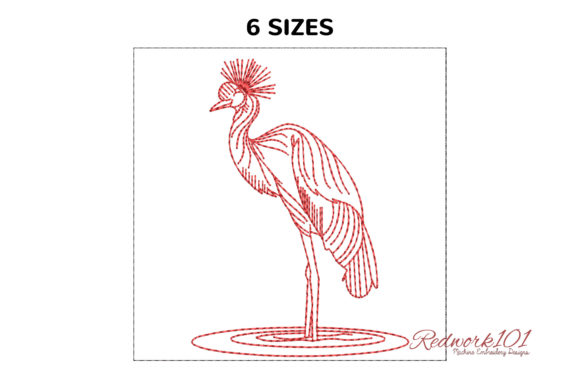
The Common Crane Bird Redwork design presents a classic, elegant aesthetic. Its mood is calm and detailed, relying on the traditional redwork concept—often a single color linework—to create a beautiful bird illustration. The detail level is thoughtful; it captures the crane’s form without overly dense stitching, which is a significant advantage for many projects. This stitching personality feels refined and decorative, perfect for projects where you want a focal point that is artistic but not overwhelming.
This design naturally fits projects that benefit from a nature-inspired, timeless touch. Think of items like pillow covers, apron pockets, or the front of a linen tote bag. It has a gift-ready quality from the moment you see it.
Performance on Real Products: From Tote Bags to Caps
In considering its use for custom apparel and handmade goods, the design's characteristics become crucial. For sturdy fabrics like cotton tote bags, canvas aprons, or kitchen towels, this design should perform beautifully. The linework style typically means a moderate stitch count and density, which helps prevent puckering on these fabrics and makes for a clean finish.
For wearables like sweatshirts or caps, you need to consider fabric texture and stretch. On a curved cap surface, designs with large, solid fill areas can be tricky, but the Common Crane Bird Redwork’s likely use of running stitch or simple satin stitch outlines could adapt well with proper stabilizer. For stretchy fabrics, testing on a scrap is essential to ensure the design retains its shape after wear and washing.
Dark fabric application is a key test for any design. Redwork on a dark background requires good thread color contrast—a bright or true red would pop nicely on navy or black, but you must preview it. For baby items, nursery decor, or baby blankets, the gentle subject matter is a perfect fit, but you must ensure all small details are secure for safety and durability.
Considering Commercial and Small Business Use
For Etsy sellers, craft fair vendors, and boutique owners, this design offers strong potential. Its visual appeal lends itself to high-quality product photography, making items like embroidered pillow covers or personalized gifts look professional and desirable. It can enhance buyer trust by showing careful, artistic craftsmanship.
For creating embroidered patches, the design’s defined outline is beneficial. However, you must inspect the file for any tiny lettering or excessively small detail elements that might not stitch cleanly at a smaller patch size. The product description notes the box stitch is optional and can be skipped, which is helpful for adapting the design to your exact product layout without extra, unwanted elements.
Practical Embroidery Notes Before You Stitch
Before running this machine embroidery design on a final product, a few practical steps are non-negotiable. Always test it on a scrap of your project fabric. This allows you to check thread color contrast, review the actual stitch density, and confirm your chosen hoop size accommodates the entire design comfortably.
Comparing how it looks on light and dark fabric mockups—even digitally—helps plan your product line. Using the proper stabilizer for your specific fabric is critical to preserve the design’s elegance. After stitching a test, inspect all small details closely. Are the crane’s delicate features crisp? Does the optional box stitch, if you include it, frame the design as intended?
Most importantly, confirm all file details and licensing on the Creative Fabrica product page before selling finished items. Understand the included file formats, any stated hoop size recommendations, and the license terms for commercial use. This protects your business and ensures you use the digital embroidery file correctly.
How This Design Affects Product Value and Presentation
Using a design like Common Crane Bird Redwork can significantly elevate your finished product. Its handmade presentation feels intentional and skilled. For giftable items—a monogrammed blanket, a commemorative pillow, a special apron—the crane motif adds a layer of thoughtful meaning and visual appeal.
For brand consistency, if your shop focuses on nature, birds, or classic styles, this embroidery file can become a versatile asset across multiple products: tote bag designs, sweatshirt embroidery, kitchen towels, and more. It helps create a cohesive look for your collection. In commercial embroidery settings, such a clean design can be produced efficiently while maintaining high quality, pleasing both you and your end customer.
Remember, the final product’s success hinges on your preparation. The Common Crane Bird Redwork design provides a beautiful foundation. Your skill in pairing it with the right materials, thread, and stabilizer, and in executing it carefully, transforms it from a digital asset into a product that engages customers and stands up to real-world use.
A Final Thought for Creative Entrepreneurs
This Common Crane Bird Redwork embroidery design from the Birds category is a strong candidate for many projects. Its decorative appeal is clear, and its practical stitching profile appears adaptable. However, its true worth is determined by how it meets your specific needs. Does it fit the scale of your preferred items? Does the style align with your customer’s tastes? Does the licensing suit your business model?
My advice is to approach it as you would any design for a real customer order. Evaluate it thoroughly against the project parameters: the fabric, the product type, the washing requirements, and the visual goal. When used thoughtfully, it has the potential to become a reliable, beautiful part of your embroidery toolkit for creating valued handmade products.